
You're not a perfectionist—you're scared
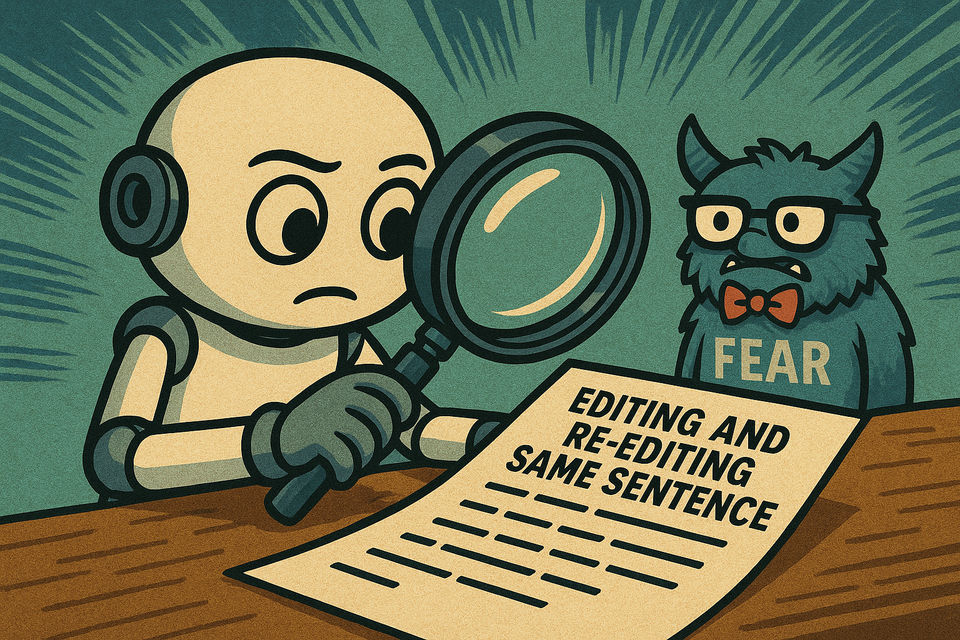
"I want it to be excellent before I publish it."
That sounds noble. It sounds professional. It sounds like someone with high standards who respects their audience.
It's someone terrified of being judged, using quality as a socially acceptable excuse for cowardice.
Perfectionism looks different. Real perfectionism means publishing consistently, getting feedback, and improving based on actual data instead of imaginary criticism.
Your "high standards" are keeping you mediocre
Here's the uncomfortable truth: you're not protecting your audience from bad content. You're protecting your ego from honest feedback.
You don't know what's good. The post you're certain will flop might be the one that gets shared fifty times. The insight you think is brilliant might land with complete silence. Even when you know your audience well, you still can't predict what will resonate.
That draft you've been "perfecting" for three weeks? It wasn't good enough three weeks ago, and it won't be good enough three weeks from now. Not because it's objectively bad, but because perfection is a moving target designed to keep you safely unpublished.
Every day you delay is another day you're not learning what your audience wants versus what you think they want.
The gap between your internal standards and your actual output isn't quality control—it's paralysis disguised as craftsmanship.
Perfect newsletters don't exist
Show me a "perfect" newsletter and I'll show you something that took so long to create that the moment has passed, the insight has aged, and the opportunity to help has evaporated.
The best newsletters aren't perfect—they're helpful. They're timely. They're human enough to connect and clear enough to follow.
Your audience doesn't need your thoughts wrapped in perfect prose. They need your thoughts wrapped in Monday morning practicality, delivered when they're struggling with the problem you're solving.
Sometimes your most impactful post gets consumed in complete silence. No likes, no replies, no shares—just someone quietly applying what you wrote. Are you chasing engagement metrics, or do you want your readers to become better people?
That insight you had about leadership during last week's difficult meeting? It's more valuable to share imperfectly today than to perfect it next month.
Publish your "mediocre" work
Your definition of mediocre is someone else's breakthrough. Your throwaway insight is someone else's lightbulb moment. Your obvious observation is someone else's blind spot revealed.
You can't optimise for everyone, and trying to will optimise for no one.
The moment you accept that some people won't like your newsletter, you free yourself to serve the people who need it. The moment you accept that some issues will be better than others, you permit yourself to press publish on the "worse" ones.
Stop editing your way to irrelevance. Start publishing your way to improvement.
Your audience needs your help now, not your perfection later.
Other Posts in The 52 Button Pushes Series
 Rick
Rick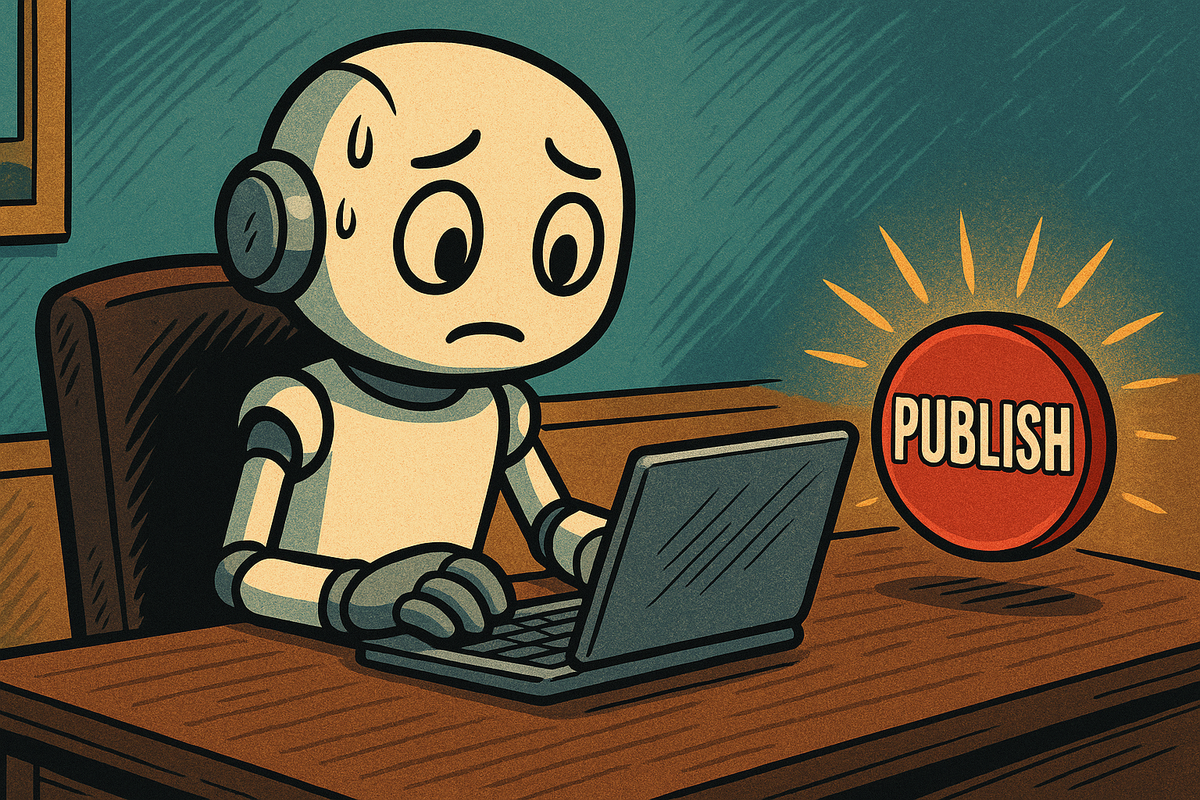
Post 1: You already know how to write—that's not the problem →
 Rick
Rick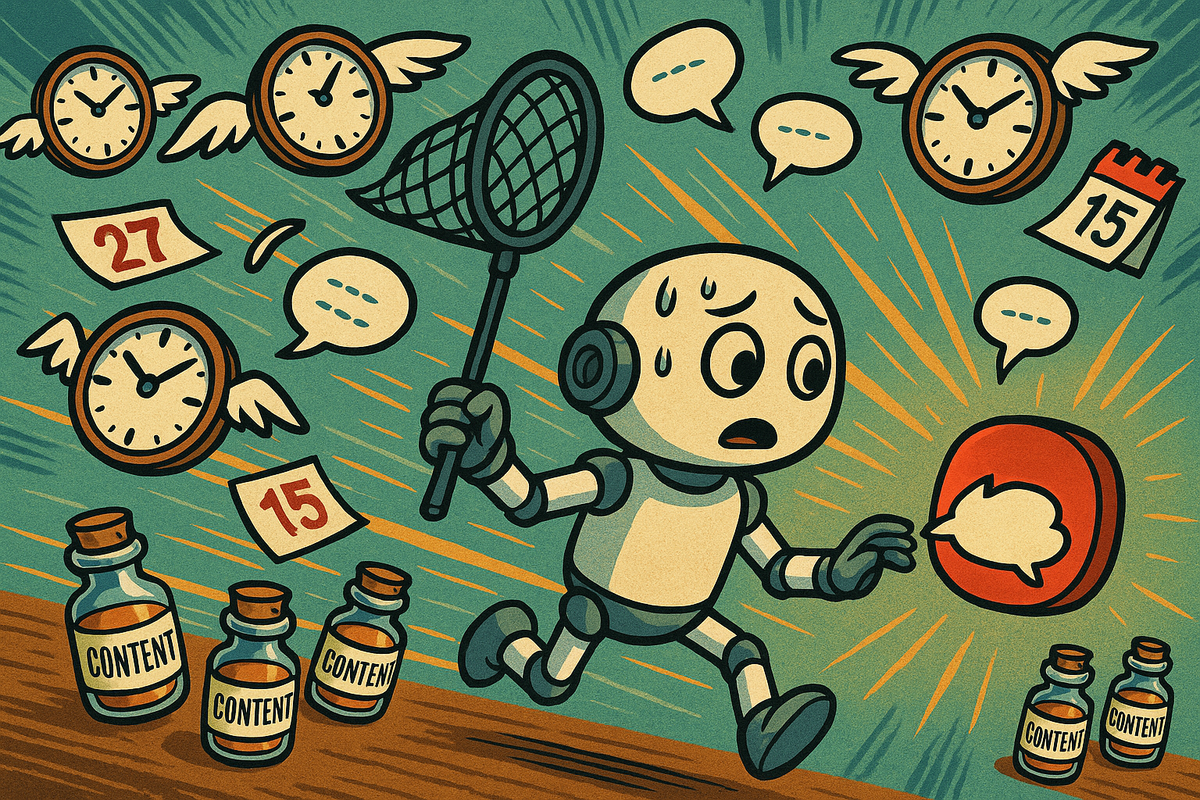
Post 2: Your newsletter dies the moment you 'find time' to write →
 Rick
Rick
Post 4: I am my newsletter's biggest fan (and harshest critic) →
 Rick
Rick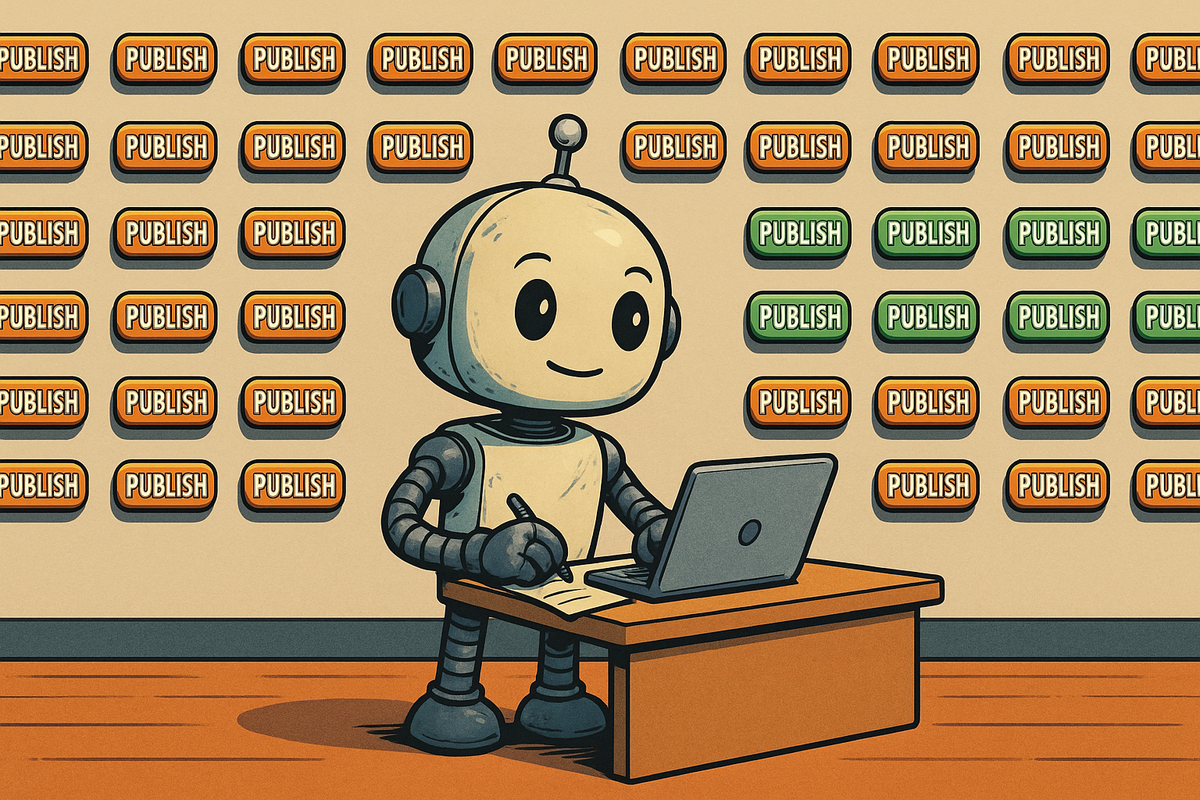
Post 5: It's just 52 publish buttons →You can s
These posts give you the mindset. If you want the mechanics, I've built the systems: Ghostwriters for client newsletter management and Newsletter OS for personal publishing. Both templates turn the operational mess into something you can stick with.
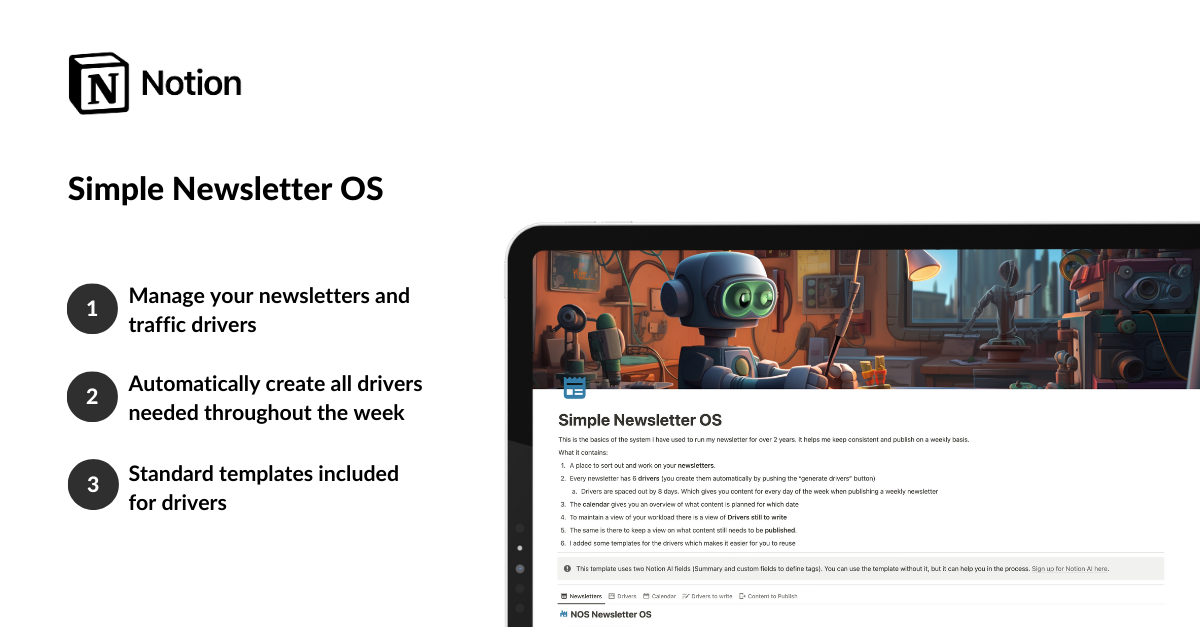
Simple Newsletter OS
Newsletters are seen as the new gold with the rapid decline of organic reach in social media. Furthermore, sending out a regular newsletter is also a great way to develop your thinking and writing skills. Besides creating and publishing a newsletter, you also need to consider how you attract new people to your newsletter and promote your current editions; for this, you need some traffic drivers.
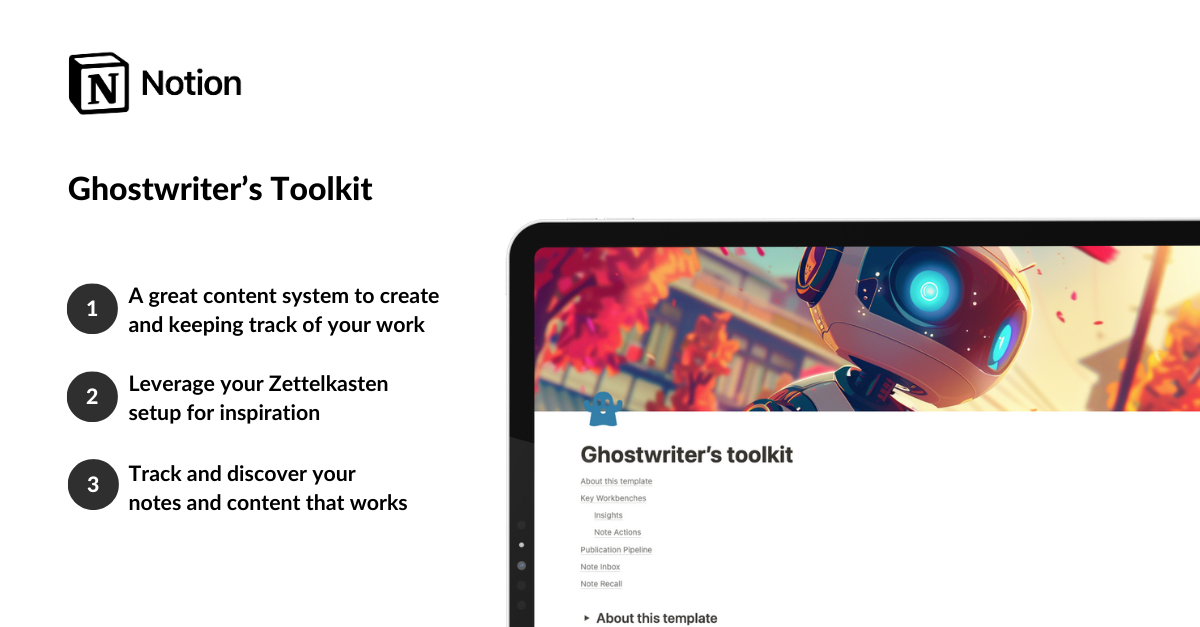
Ghostwriter's Zettelkasten Toolkit
The “Ghostwriter’s Toolkit” is a comprehensive Notion template designed to streamline the content creation, enhance note-taking efficiency, and foster continuous idea generation. It seamlessly combines a simple yet powerful content system for planning and executing newsletters with an advanced note-taking system inspired by the Zettelkasten method.