
Your newsletter dies the moment you 'find time' to write
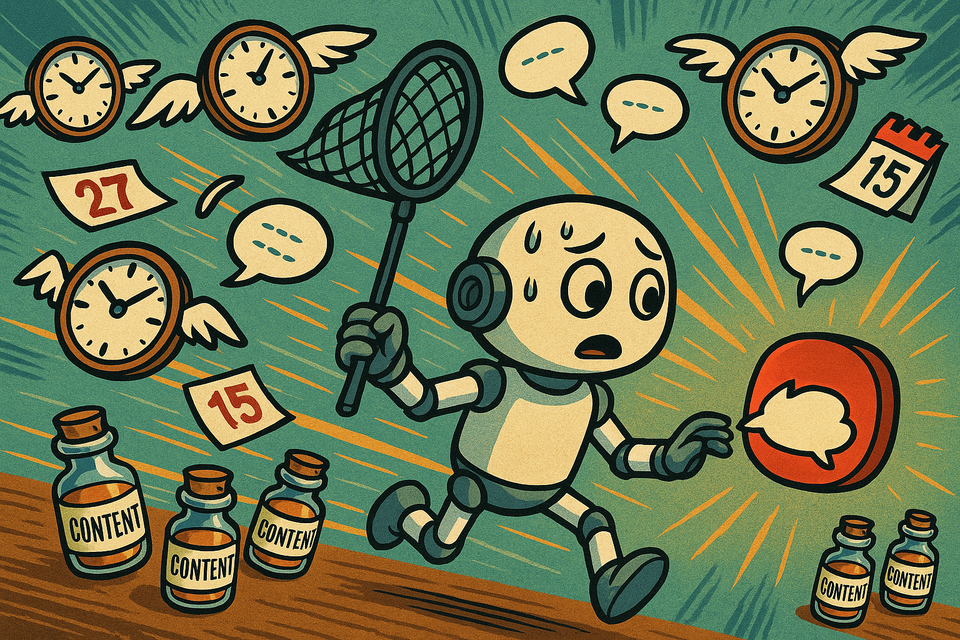
"I'll write when I have time" is the polite way of saying "I'll never write."
You know this, yet you keep waiting for that magical Tuesday when your calendar clears, your energy peaks, and inspiration strikes simultaneously. That Tuesday doesn't exist.
But here's what does exist: the email you sent your colleague yesterday explaining why that project failed. The rant you shared with your partner about industry trends over dinner. The advice you gave your friend who's struggling with the exact problem your audience faces.
You're already creating content. You're just not capturing it.
Schedule your doubt, not your inspiration
The myth of "creative flow" is killing your newsletter before it starts.
You don't wait for inspiration to answer important emails. You don't wait for the perfect mood to show up to meetings. You don't wait for creative flow to pay your bills.
So why are you waiting for it to serve your audience?
Creativity doesn't require chaos—it needs structure. The most prolific creators aren't the most inspired; they're the most systematic about capturing and refining what they're already thinking.
That brilliant insight you had during your morning coffee? It's gone by lunch unless you have a system to catch it.
Your newsletter is already written
Stop treating newsletter writing like archaeology, digging for buried treasure in your brain. Start treating it like recycling—sorting through conversations, emails, and thoughts you've already had.
Look at your sent emails from this week. What did you explain? What frustrated you enough to write three paragraphs about? What advice did you give that the recipient found genuinely helpful?
That's your newsletter content. It's already written, tested, and proven valuable. You need to polish it and press send.
The moment you realise your newsletter is a weekly compilation of your existing thoughts, "finding time to write" transforms into "scheduling time to curate."
Build the capture system first
Your newsletter problem isn't time—it's memory. You're generating content all day, only to forget it exists by Sunday.
Set a recurring 30-minute appointment with yourself. Same day, same time, every week. Not to "find inspiration," but to review what you already said and decide what deserves a broader audience.
Stay three posts ahead. When you have four drafts ready, publish one. When you're down to three, write another. This buffer turns weekly panic into weekly polishing.
Stop waiting for the perfect writing session. Start scheduling imperfect capture sessions.
That's how you build consistency.
Other Posts in The 52 Button Pushes Series
 Rick
Rick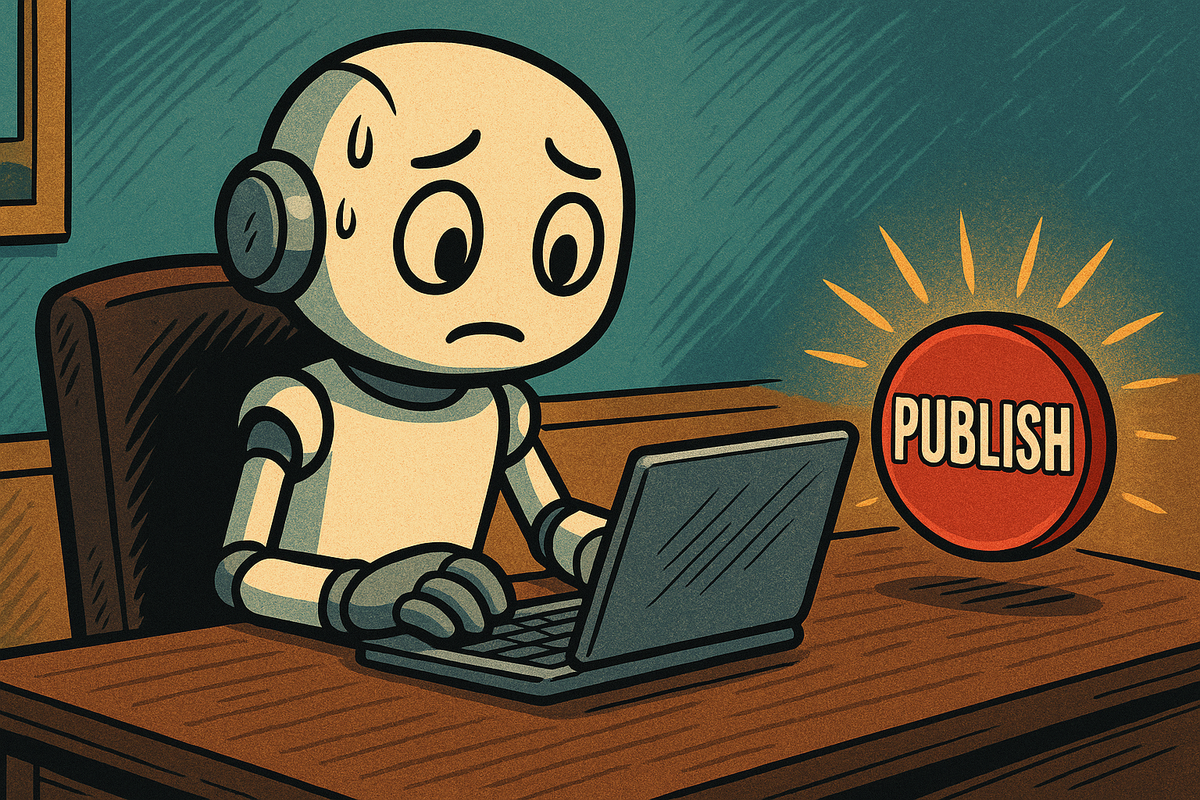
Post 1: You already know how to write—that's not the problem →
 Rick
Rick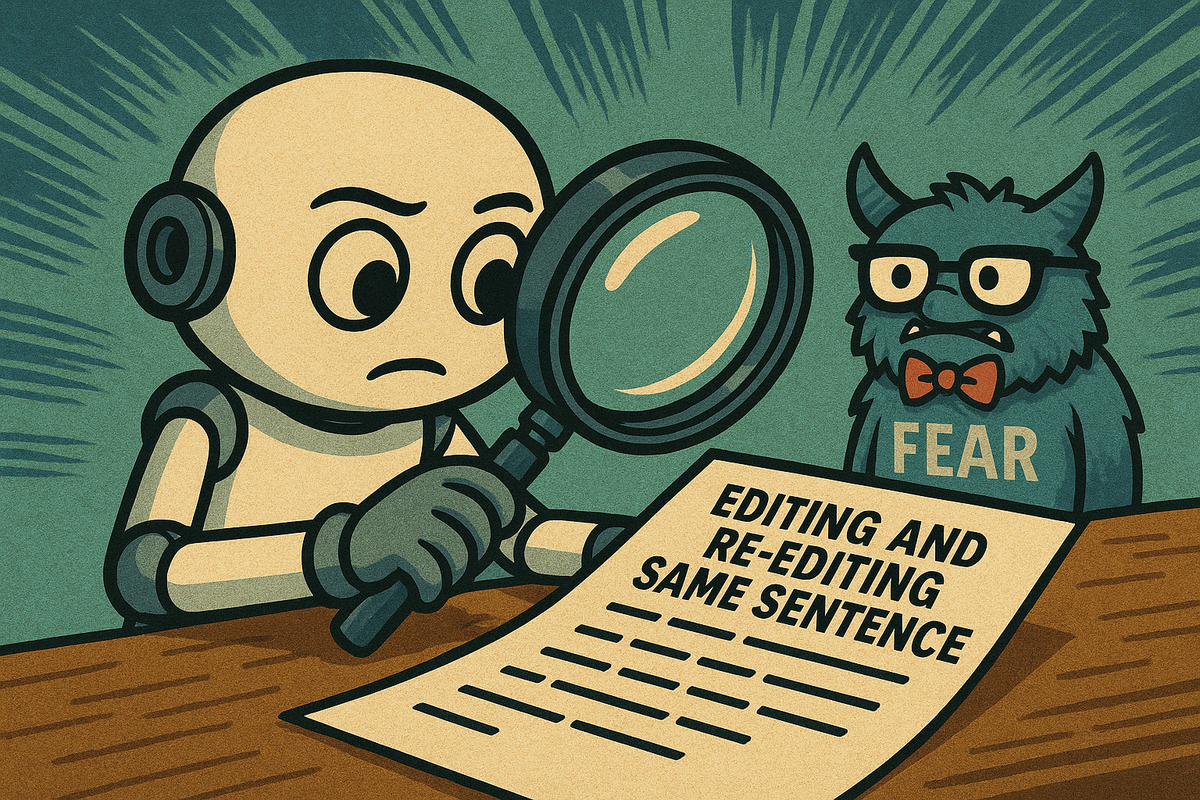
Post 3: You're not a perfectionist—you're scared →
 Rick
Rick
Post 4: I am my newsletter's biggest fan (and harshest critic) →
 Rick
Rick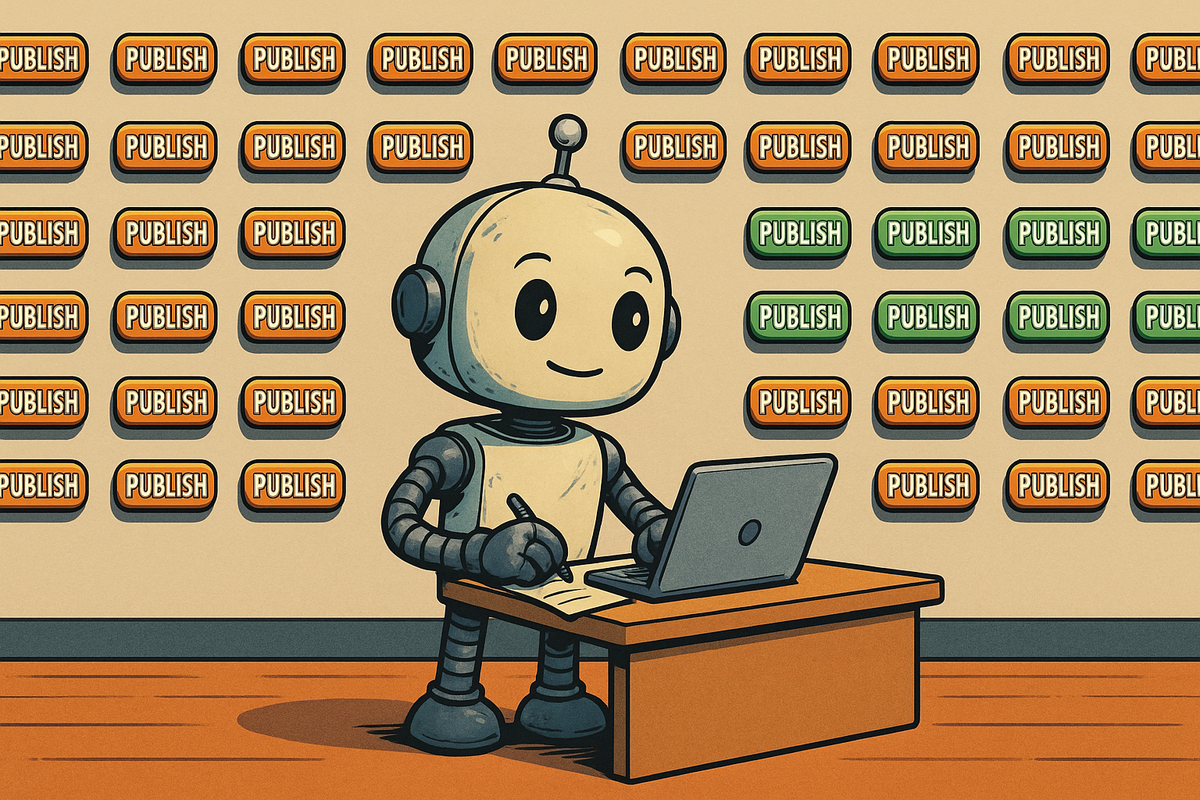
Post 5: It's just 52 publish buttons →You can s
These posts give you the mindset. If you want the mechanics, I've built the systems: Ghostwriters for client newsletter management and Newsletter OS for personal publishing. Both templates turn the operational mess into something you can stick with.
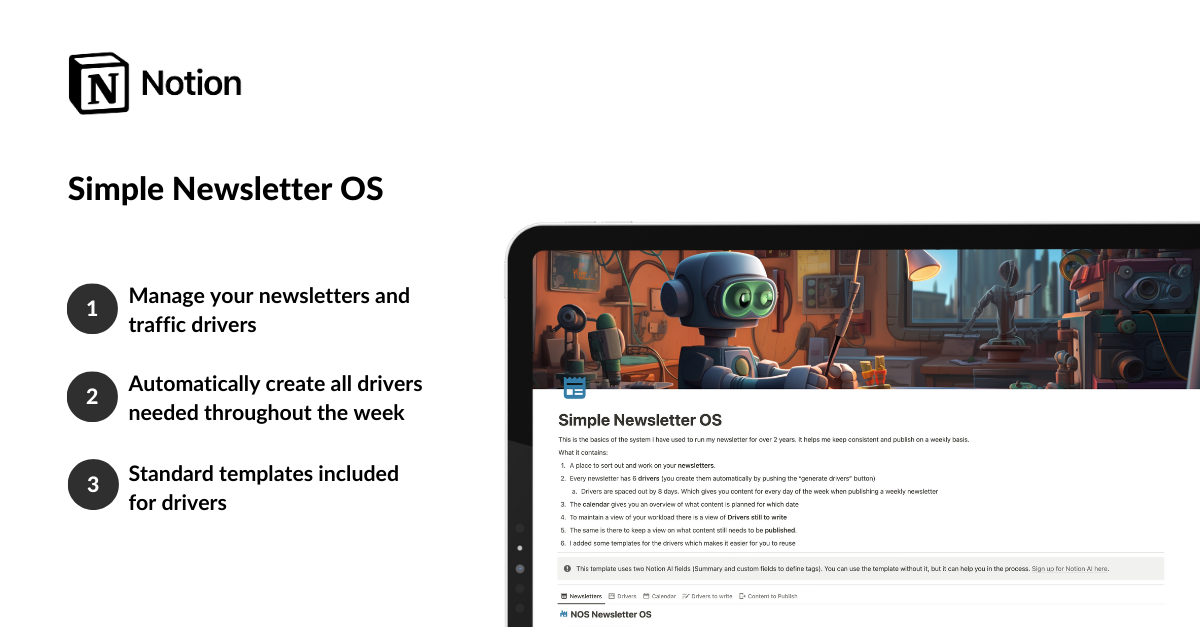
Simple Newsletter OS
Newsletters are seen as the new gold with the rapid decline of organic reach in social media. Furthermore, sending out a regular newsletter is also a great way to develop your thinking and writing skills. Besides creating and publishing a newsletter, you also need to consider how you attract new people to your newsletter and promote your current editions; for this, you need some traffic drivers.
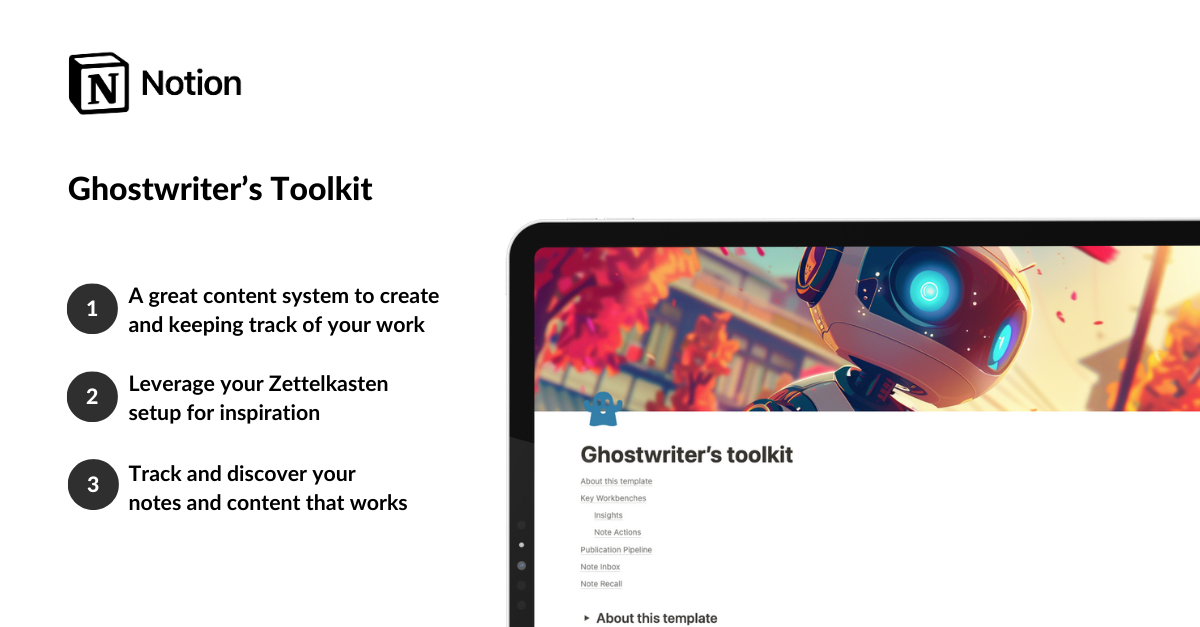
Ghostwriter's Zettelkasten Toolkit
The “Ghostwriter’s Toolkit” is a comprehensive Notion template designed to streamline the content creation, enhance note-taking efficiency, and foster continuous idea generation. It seamlessly combines a simple yet powerful content system for planning and executing newsletters with an advanced note-taking system inspired by the Zettelkasten method.